August 27, 2026
Regular eye examinations are an important part of protecting vision and monitoring overall eye health. However, many people are unsure about what actually happens during an appointment or why certain tests are performed. Understanding the process can make the experience more comfortable and help patients participate more actively in their care. A typical examination may include a discussion of health history, vision testing, an evaluation of the eye's internal and external structures, and recommendations based on the results. Knowing what to expect before visiting a local optometrist can also help you prepare questions and communicate any changes you have noticed in your vision.
Beginning With Your Medical and Vision History
An eye examination usually begins with a conversation about your medical history, current medications, previous eye conditions, and family history of vision problems. Your provider may also ask about lifestyle factors, including screen use, occupation, smoking, outdoor activities, and the amount of time you spend driving. These details provide important context because general health and daily habits can influence vision and eye health.
This is also the appropriate time to discuss symptoms such as blurry vision, headaches, eye strain, dryness, difficulty seeing at night, flashes of light, or changes in peripheral vision. Even symptoms that seem minor may provide useful clues about what should be examined more closely. According to the National Eye Institute, around age 40, proteins in the lens of the eye can begin to break down and clump together, a process associated with cataract development. Age, health history, and symptoms can therefore influence which tests a local optometrist considers appropriate.
Measuring Visual Acuity and Refraction
Visual acuity testing is one of the most familiar portions of an eye examination. Patients are generally asked to read letters or symbols from a standardized chart at a specific distance. The results help determine how clearly each eye sees and whether there have been changes since a previous examination. Each eye may be evaluated separately before testing how they work together.
If vision correction is necessary, refraction testing helps determine the appropriate prescription. During this process, different lens strengths are presented while the patient compares which options produce clearer vision. The resulting prescription may contain measurements for nearsightedness, farsightedness, and astigmatism. Because vision can change gradually, routine testing provides an opportunity to identify adjustments that may improve comfort when reading, driving, working at a computer, or completing other daily activities.
Evaluating Color, Depth, and Peripheral Vision
A comprehensive examination may involve more than checking how clearly you can read letters. Depending on your age, symptoms, medical history, and previous results, additional assessments may evaluate color vision, depth perception, eye coordination, and peripheral vision. Color vision testing can identify difficulty distinguishing certain colors, while depth perception testing evaluates how effectively the eyes work together to judge distances and spatial relationships.
Peripheral vision may also be assessed because changes in side vision can be associated with certain eye or neurological conditions. A visual field test, for example, measures what you can detect while looking at a central point. These assessments can provide a broader picture of how the visual system functions. Your local optometrist may select specific tests based on your individual risk factors rather than performing every possible assessment during each appointment.
Examining the Structures of the Eye
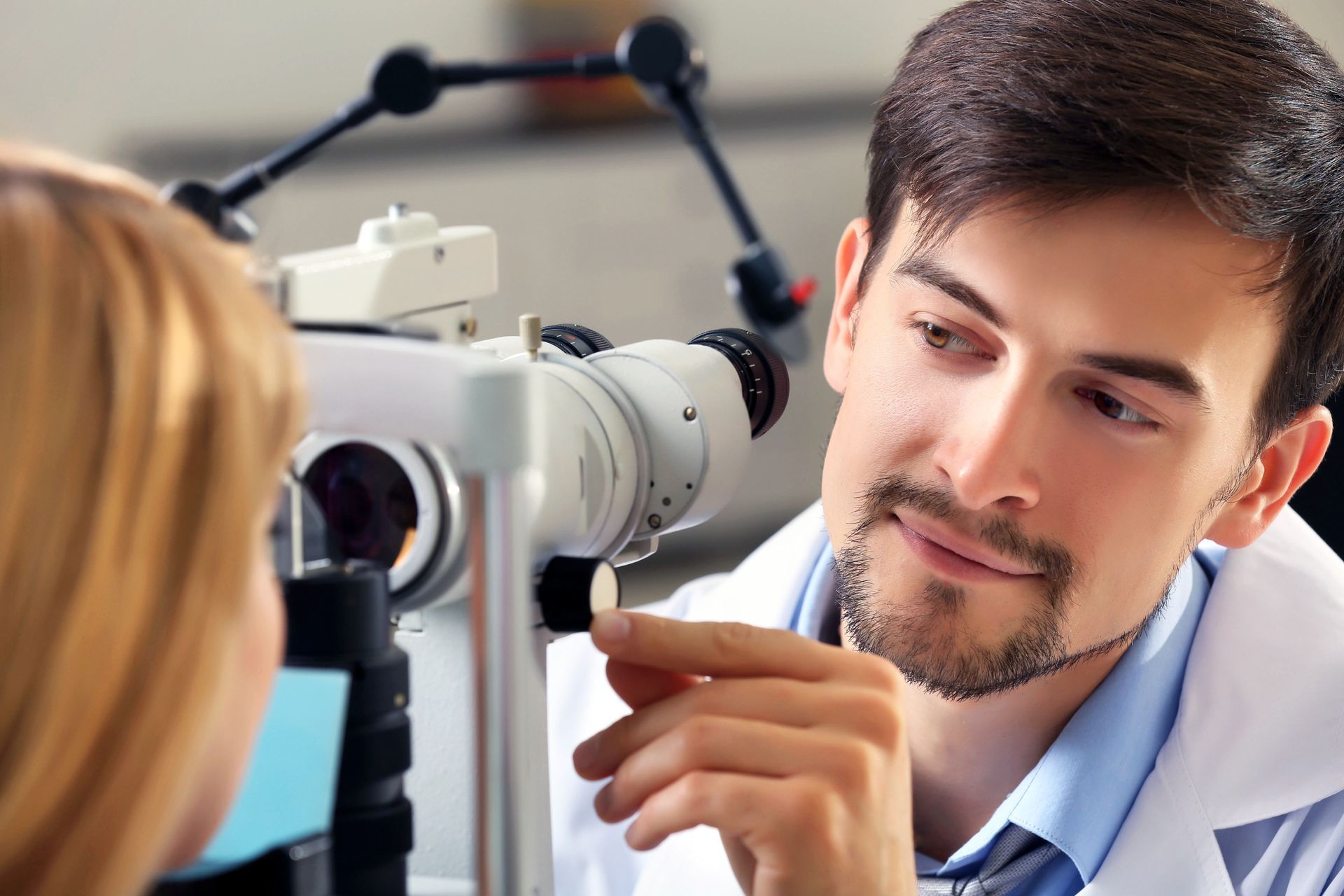
Beyond measuring vision, an eye examination allows the provider to inspect the physical structures of the eyes. A slit lamp is commonly used to provide a magnified view of areas such as the eyelids, cornea, iris, and lens. This detailed examination can reveal changes that may not be noticeable to the patient during everyday activities.
The retina and optic nerve may also be examined using specialized instruments or retinal imaging. In some cases, dilating drops are used to widen the pupils so the provider can obtain a more complete view inside the eye. These evaluations can help identify signs associated with cataracts, retinal problems, macular degeneration, and other conditions. Some eye diseases develop with few noticeable symptoms during their early stages, which is one reason routine examinations remain valuable even when vision seems normal.
Checking Eye Pressure and Glaucoma Risk
Eye pressure testing is another common component of a comprehensive examination. Tonometry measures intraocular pressure, which is one factor considered when evaluating a patient's risk for glaucoma. Some testing methods use a brief puff of air, while others use instruments that gently measure pressure at the surface of the eye.
Eye pressure alone does not provide a complete glaucoma diagnosis. A local optometrist may consider pressure measurements alongside the appearance of the optic nerve, visual field results, family history, age, and other risk factors. Because glaucoma can progress without obvious symptoms, routine evaluation may help identify concerning changes before substantial vision loss occurs. Patients with elevated risk may be advised to undergo additional testing or more frequent monitoring.
Discussing Eyeglasses and Contact Lenses
If testing indicates that vision correction is needed, the next part of the appointment may involve discussing prescription options. Eyeglass lenses are available in different materials and designs, including single-vision, bifocal, progressive, and specialty lenses. Features such as anti-reflective treatments or UV protection may also be discussed based on individual needs and activities.
Contact lenses require additional measurements because a prescription alone does not determine whether a lens will fit comfortably and safely. The provider may evaluate the shape and size of the eye and recommend lenses suited to the patient's prescription and lifestyle. Trial lenses may be used to assess comfort, movement, and visual clarity. A local optometrist can also explain appropriate insertion, removal, cleaning, replacement schedules, and hygiene practices to reduce the risk of irritation or infection.
Reviewing Results and Eye Care Recommendations
After testing is complete, the provider should explain the findings and discuss what they mean for your vision and eye health. This conversation may include changes to a prescription, recommendations for managing eye strain or dryness, monitoring of an existing condition, or suggestions for protective eyewear. Patients should use this opportunity to ask questions about anything they do not understand.
Recommendations may also address everyday habits that support eye health. Depending on individual circumstances, this could include taking regular breaks from prolonged screen use, wearing appropriate eye protection during hazardous activities, using sunglasses that provide UV protection, or managing chronic health conditions in coordination with other healthcare providers. Clear explanations help patients understand not only what is recommended but why a particular step may be beneficial.
Understanding Referrals and Follow-Up Care
Not every finding can be managed entirely within a routine optometry appointment. If testing reveals an issue requiring additional evaluation, surgery, or specialized treatment, the provider may recommend an ophthalmologist or another healthcare specialist. Referrals are intended to connect patients with the appropriate level of care while maintaining continuity between providers.
The recommended schedule for future appointments can vary considerably. Someone with stable vision and no major risk factors may require a different examination schedule than a patient with diabetes, glaucoma risk, significant prescription changes, or an existing eye condition. Your local optometrist can recommend a follow-up schedule based on examination results, age, health history, and individual risk factors. Following that schedule makes it easier to compare results over time and identify meaningful changes.
Regular visits with a local optometrist provide an opportunity to monitor changes in vision while examining areas of eye health that cannot be evaluated simply by determining whether you can see clearly. By understanding the purpose of medical history reviews, vision tests, eye pressure measurements, structural examinations, and follow-up recommendations, patients can approach appointments with greater confidence. Consistent monitoring, attention to new symptoms, and informed discussions with an eye care professional can all contribute to protecting vision over the long term. Contact Eye Logic Eyecare today and learn more about our optometry services.